

The Pros and Cons of Painting Your Minneapolis Home in Winter
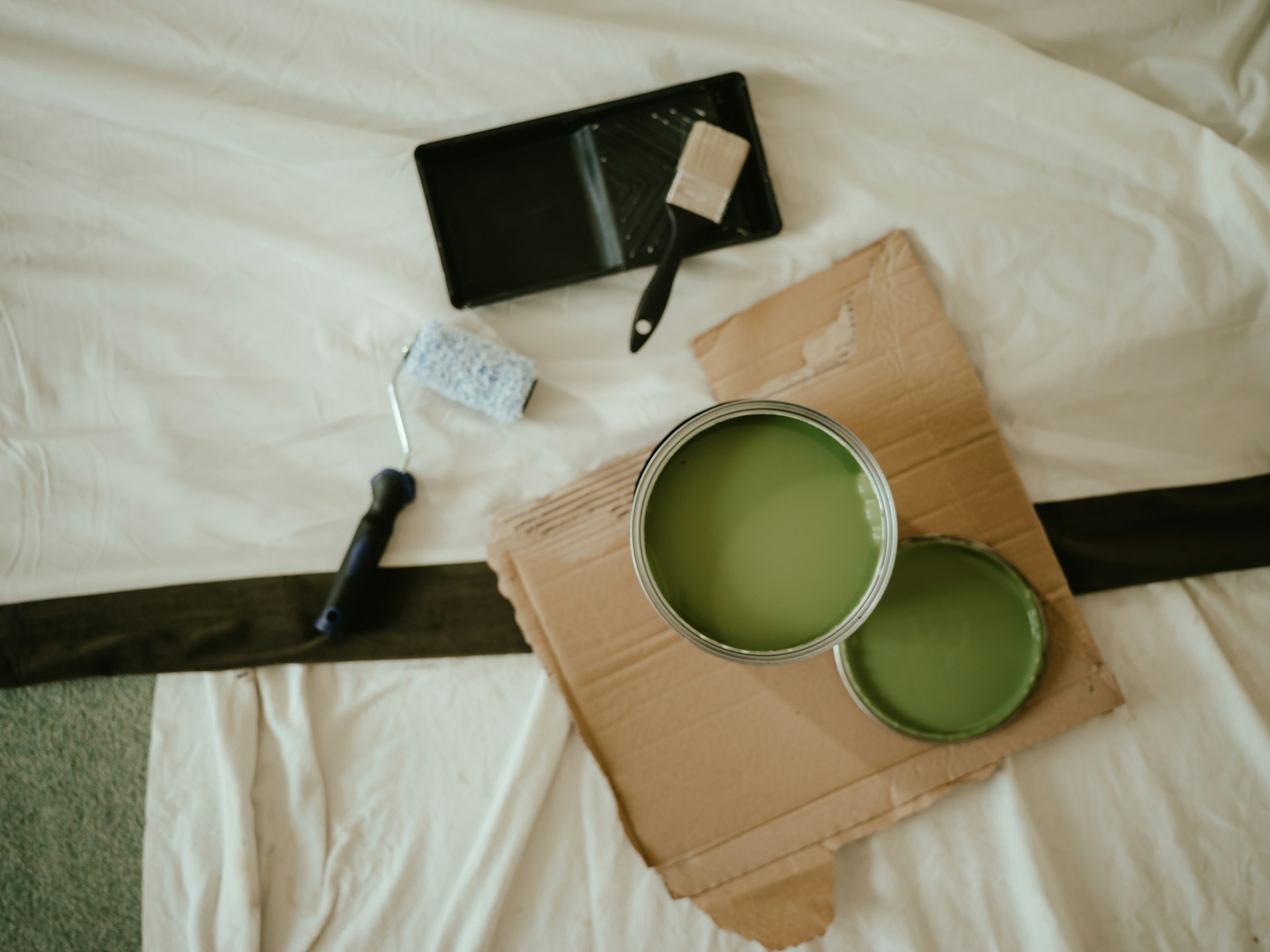
Painting a home during a cold Minnesota winter might seem unusual, but it can actually make a lot of sense if you’re thinking about tackling indoor projects. Like any seasonal home improvement, there are trade-offs. Some homeowners love the timing, others find it tough.
Understanding the winter painting pros and cons gives Minneapolis homeowners a clear way to decide what’s best for them. From more open schedules to dry air and indoor challenges, there’s a lot to think about before hiring a painting crew during the colder months. Let’s look at what works—and what doesn’t—so you can plan ahead and avoid surprises.
Less Scheduling Stress, Faster Turnaround
One of the biggest perks of winter painting is the availability. The colder months are slower for most painting companies, which means you’re more likely to get your preferred timeframes without long delays. That flexibility helps if you have a tight schedule, are preparing for guests, or want to start the new year with freshly painted walls.
During spring and summer, crews can be booked out for weeks or longer. In winter, the schedule tends to be more open. That often leads to quicker project starts and faster completions. When painters aren’t juggling stacked projects, they can stay focused and move more efficiently through your home. If you’ve ever postponed painting simply because you couldn’t get a spot, winter might be the sweet spot.
For interior work, there’s also less chance of weather-related rescheduling. No spring downpours, no summer humidity. If the room is prepped and the temperature inside is steady, crews can work without interruption. Choosing the best paint colors to create a cozy interior for Minnesota winters can make those indoor updates feel even more inviting.
Paint Performance in Cold, Dry Conditions
Low humidity is common during Minneapolis winters, and that can be helpful indoors. Dry air allows paint to cure smoothly, without the bubbling or slow-drying issues you sometimes get in humid seasons. Well-maintained humidity and heating help create consistent drying conditions, which can lead to better results on walls, ceilings, and trim.
Still, there are limits. Extreme cold outside can affect how paint behaves if the space getting painted isn’t well insulated or sits near freezing window areas. If interior rooms get chilly, especially ones with large windows or limited circulation, that can cause uneven finishes or longer drying times.
Exterior painting, on the other hand, usually isn’t recommended. Many materials can’t bond well or dry properly below certain temperatures. As we discussed in How Minnesota Winters Impact Your Home’s Paint (Inside and Out), cold-weather paint exists but comes with stricter usage requirements. If you’re planning an outside job, spring may be safer. You can also review helpful tips on how to protect exterior paint from Minnesota winters if you’re dealing with prior damage. For rooms inside, though, winter still holds a few advantages.
Disruption to Daily Life
No matter the season, having painters in your home means making some adjustments. In winter, those changes might feel a little bigger. With windows closed tight to keep the chill out, paint odors may hang in the air longer, especially in smaller rooms without good ventilation.
Families with young kids, babies, or pets might need to think about alternate spaces or adjusting routines for a day or two. It’s not just the smell—it’s the noise, door access, or workers moving in and out with supplies.
Cold weather also brings its own set of minor hassles. Moving furniture might be harder if the space is cramped with winter gear. Rooms can be trickier to set aside when everyone’s spending more time indoors. Some customers prepare by tackling one room at a time or booking projects around school breaks or work-from-home days to minimize disruption.
Looking ahead can also help. If you’ve already made small updates throughout the holidays or fall season, it’s easier to build on them with winter work. That’s why many homeowners benefit from advice like what’s found in how to plan your fall interior painting project step by step—even if it’s January, the steps still apply for winter prep.
Damage Recovery and Prep Timing
By mid-December, the first waves of cold, snow, and ice have already hit Minnesota. That early weather can reveal cracks, peeling, or bubbling paint that wasn’t obvious during the warmer months. Noticing problems in high-moisture areas like bathrooms or basements? Winter’s a smart time to address them before they get worse.
Interior painting in winter doesn’t just refresh the look of a space—it gives you a chance to repair minor issues that tend to show up once the furnace kicks on and indoor air begins to dry everything out. As shared in How Minnesota’s Dry Winter Air Can Damage Paint (and How to Prevent It), low humidity can cause painted surfaces to shrink or split if they’re already weakened. Fixing while you notice those early signs helps keep your rooms protected.
It’s also a good time to revisit unseen areas spotted earlier in the fall. Maybe you noticed some wall stains or small ceiling cracks after removing summer air units, but the season got away from you. Winter gives you that second chance to fix what was postponed—and align things before the spring projects begin.
When Interior Painting Makes the Most Sense
Of all the home painting scenarios, interior work makes the most sense in winter. The weather is cold, the days are short, and most of us are spending more time indoors anyway. Whether you’re looking to modernize a room, touch up scuffed baseboards, or finally paint that old office space, winter is a good time to focus inside.
The advantages tie directly to indoor conditions. You can control the temperature, limit humidity swings, and plan around your schedule. It’s easier to make updates between holidays or while school is out. As mentioned in Best Holiday Paint Colors to Transform Your Home for the Season, many people use December to refresh bedrooms or hallways ahead of guests or new year goals.
If your goal is to update the feel of a space before spring, winter works well. It keeps your weekends open later in the year when yardwork and outdoor repairs start filling up the schedule again.
For inspiration, some homeowners also look at the best fall paint colors to create a cozy Twin Cities home, since many of those tones carry seamlessly into winter and early spring design plans.
Should You Paint This Winter? It Depends on Your Goals
Painting during a Minnesota winter doesn’t work for every home, but it can be a smart move for many. If you’re looking to redo a bedroom, brighten a hallway, or fix peeling trim before it spreads, winter offers quiet timelines and easy scheduling. If your project is outside though, it’s best to wait for consistent warmer temperatures.
Understanding the winter painting pros and cons helps you avoid delays, pick the right rooms, and get the most out of your time indoors. Whether you’re aiming for a seasonal refresh, preparing for spring, or just need to fix what the cold has revealed, it’s all about staying practical and choosing the right moment for your space.
Thinking about updating your home this winter? With the busy schedules winding down and cooler weather setting in, it’s an ideal time to focus on interior house painting. At Premium Painting, we ensure each project benefits from quick scheduling and professional results, perfectly suited to the season. Transform your space now and enjoy a refreshed home atmosphere through the colder months.