

How Minnesota Winters Impact Your Home’s Paint (Inside and Out)
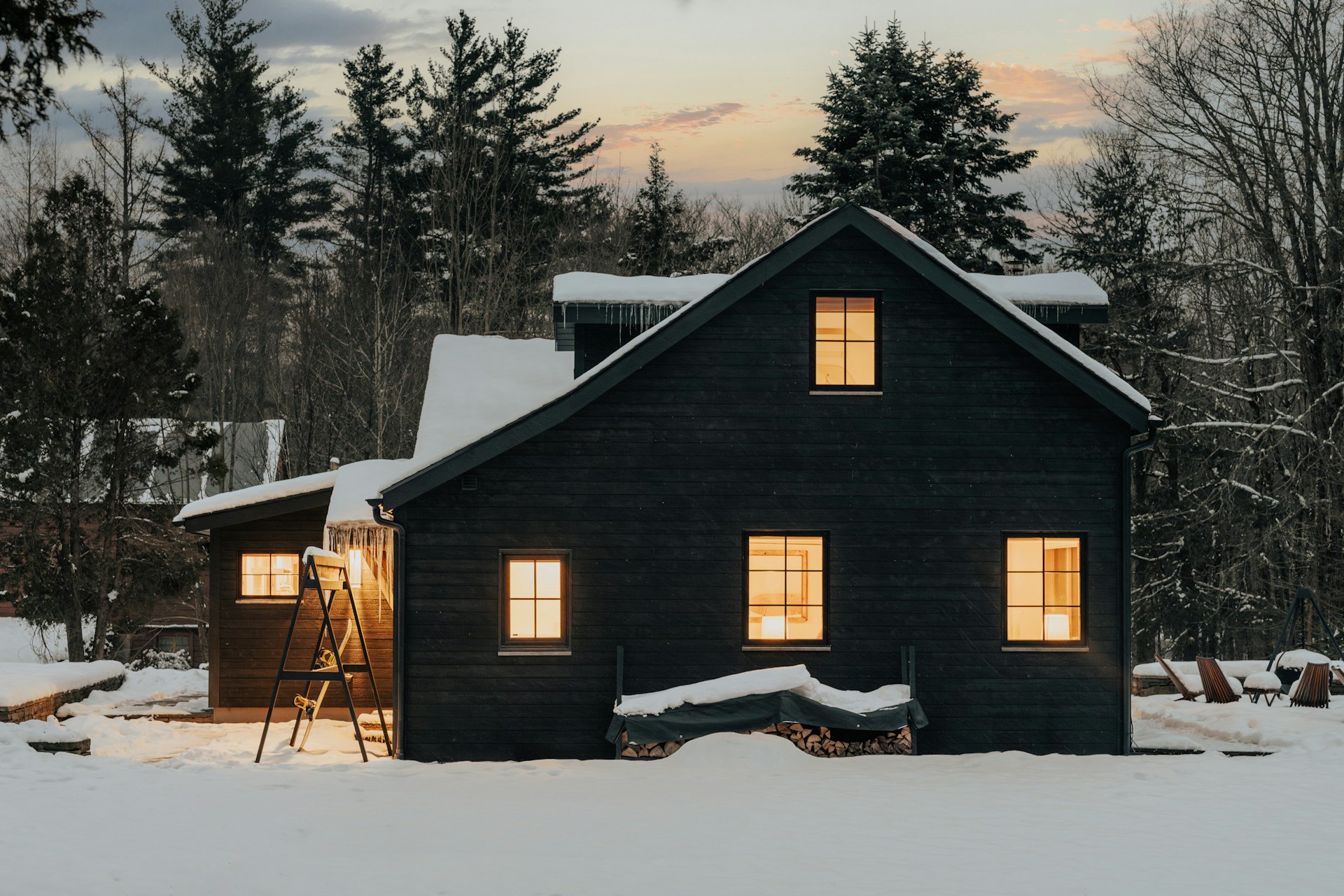
Minnesota winters are known for their intensity. When temperatures drop and snow piles up, we expect our pipes or driveways to take a hit, but paint? That’s not always top of mind. Yet harsh winter conditions can quietly do real damage to both the inside and outside of a home.
You may not notice the trouble right away. It often starts small, like a patch of flaking paint on your siding or hairline cracks near an inside window. These are early signs of Minnesota winter paint damage. Between the freezing air outside, dry heat inside, and moisture trapped in the wrong places, winter can wear down even new paint faster than expected.
Let’s look at what cold weather does to your paint and how to spot, prevent, or correct the problems before they spread.
How Freeze–Thaw Cycles Damage Exterior Paint
Minnesota’s freeze–thaw cycles are one of the biggest reasons exterior paint wears down faster in winter. When temperatures drop, paint becomes less flexible and more prone to cracking. At the same time, melting snow can seep into tiny gaps in the paint or siding. Once temperatures fall again, that trapped moisture freezes and expands beneath the surface.
This repeated freezing and thawing can lead to bubbling, flaking, or full sections of paint loosening over time. It often shows up first around doors, windows, trim, or areas where old caulking has cracked—places where moisture slips in most easily. Early signs include small bubbles, dark or damp-looking patches, and spots where the surface feels soft or uneven. If the moisture doesn’t dry out quickly in spring, it can also contribute to mildew or early-stage wood rot.
Homes with older coats of paint often see the worst of this. That’s because aged layers lose strength and are more likely to crack when the surface shifts with temperature changes. Newer paint made for cold climates tends to hold up better, especially when applied with the right prep and timing. For best results season after season, it’s helpful to understand how to protect exterior paint from Minnesota winters before damage begins.
While exterior paint takes the brunt of winter weather, the inside of your home can be affected too—just in different ways.
Why Interior Paint Is at Risk Too
We usually think of winter paint problems as an outside issue, but indoor paint can suffer as well. The culprit inside is dryness. Our furnaces run nonstop through winter, leaving interior air much drier than in spring or summer.
That dry air pulls moisture from both the paint and the materials underneath. Trim and drywall might shrink just slightly, but even a little shrinkage can cause seams to crack or painted joints to open up. In some rooms, you might start seeing lines appear above baseboards or near ceiling corners where the surface has shifted.
Paint curing issues mainly affect projects done during winter, when indoor air becomes extremely dry. If indoor air gets too dry, paint might dry unevenly, leaving behind texture differences or dull patches that affect the finish. This adds to common problems when winter air affects how paint sets and holds over time. Homeowners starting fresh or touching up problem areas can benefit from professional interior painting services that take seasonal conditions into account.
That’s why winter paint jobs need extra care with timing, application, and indoor conditions, so they last just as long as ones done in warmer months.
Why Professional Painters Make a Difference in Winter
Painting during or right after winter demands more planning than people often realize. Materials shrink, surfaces shift, and timing rules change. Painters who understand how local weather affects paint wear are better equipped to select primers and finishes that stay in place longer.
They also know which temperature and moisture conditions are best for different materials, especially when painting outdoors in early spring. A well-timed paint job not only looks better, but stands up well to the freeze-thaw cycles that follow.
There’s another reason to work with professionals this time of year. They’ve seen these problems play out before, and it’s easier for them to spot less obvious signs of weather damage before it spreads beneath the surface. Taking action earlier goes a long way when small issues are still easy to handle.
Once you understand how winter affects paint and why professional planning matters, the next step is knowing when to schedule repairs or a new paint job.
When to Schedule Repairs or repainting After Winter
Once winter starts winding down, that’s a good time to take a fresh look at your painted surfaces, both inside and out. Late February or early March are ideal for inspections. That’s when winter damage becomes easier to notice—sunlight returns, moisture dries out, and problem areas become clearer.
Watch for early signs like:
- Peeling or lifting paint, especially where snow piled up
- Small hairline cracks in corners or along seams indoors
- Uneven sheen, particularly near windows or ceiling edges
- Spots where surface texture feels rough or blistered
Catching these early helps avoid full repainting later. Spring is a popular time for both cabinet refinishing and outdoor paint updates, so booking ahead ensures the work gets done before schedules get tight and conditions get too warm.
With the right timing and the right approach, you can keep winter damage from worsening and prepare your home for the season ahead.
Built to Last: How to Protect Paint Through Harsh Winters
Winter in Minneapolis takes a toll, and paint faces much tougher conditions throughout the season. Cold, dry air puts pressure on interior finishes, while snow and ice continue to put stress on exterior surfaces. Left untreated, both can break down even well-maintained paint much sooner than expected.
That’s why timing matters. Catching problems early and planning ahead for repairs can save homeowners the time and cost that come from more serious seasonal damage. Paint isn’t just decoration—it keeps the structure protected too.
Minnesota homes face some of the harshest weather cycles in the country, along with long stretches of dry indoor air and heavy snow that puts extra stress on both interior and exterior paint. They need finishes that can stand up to that. With the right timing, materials, and support, a paint job done in the shoulder seasons can last through years of storms, snow, and dry furnaces alike. That’s what lasting paint protection really means.
Ensure your home is ready to face another harsh Minnesota winter by addressing paint damage before it worsens. Our team of painting experts at Premium Painting is here to help with tailored solutions that suit local weather challenges. Whether it’s refreshing your home’s exterior or tackling interior updates, we provide lasting results that maintain your home’s beauty and protection. Don’t let winter paint issues linger—trust professionals who understand your needs.
Don’t let winter paint issues linger—book your winter or early-spring painting service with Premium Painting today.